Syndromic Surveillance: Is Big Brother Looking Out for You?

On May 15, 2014, The New York Times reported about a program implemented in New Orleans which mined patient personal health information to identify which parents to warn prior to an impending ice storm. Dialysis patients were advised to get their treatments early, and those on ventilators were called so they knew how to get help if the power went out. New Orleans city officials knew whom to contact based on submitted Medicare claim requests. This data is now available for public emergency response and preparedness through the Federal Privacy Act of 1974.

Continue reading

Explosion in Turkish Coal Mine: Subterranean Industrial Emergency

On Tuesday May 13, 2014, word spread of a devastating transformer explosion and fire in a coal mine in western Turkey, trapping more than 700 people, with at least 166 deaths confirmed.  Rescuers have evacuated 88 miners, and 80 of them are severely injured. Because the explosion, which is believed to have been triggered by an electrical fault, occurred during shift change, Turkish authorities currently are uncertain of exactly how many miners were inside at the time of the event. Current reports estimate nearly 790 miners may have been in the mine at the time of the explosion.  The Turkish government and mining officials were quick to respond. Energy minister Taner Yildiz, who is overseeing the rescue operation, told reporters that four rescue teams are currently working at the mine. Only with time will we know the full extent of the devastation this industrial public health emergency has caused.

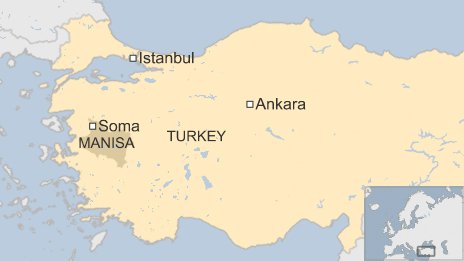
Turkey map

The mine is located in the western town of Soma.

Response crews mobilize outside the mine.

Response crews mobilize outside the mine.

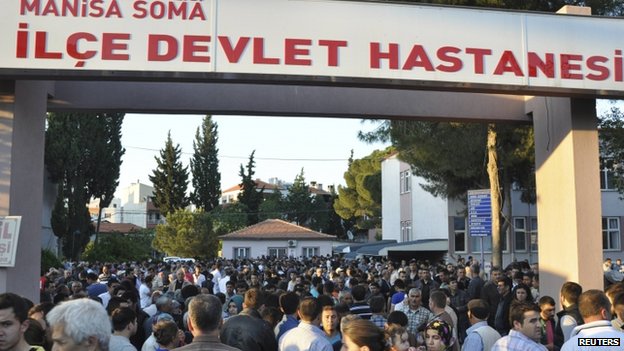
Crowds gather outside Soma's local hospital

Crowds gather outside Soma’s local hospital awaiting news of loved ones trapped inside.

 (Images from bbc.co.uk)

Continue reading

Tornadoes in the US: Storm Preparedness and Mental Health Response after Natural Disasters

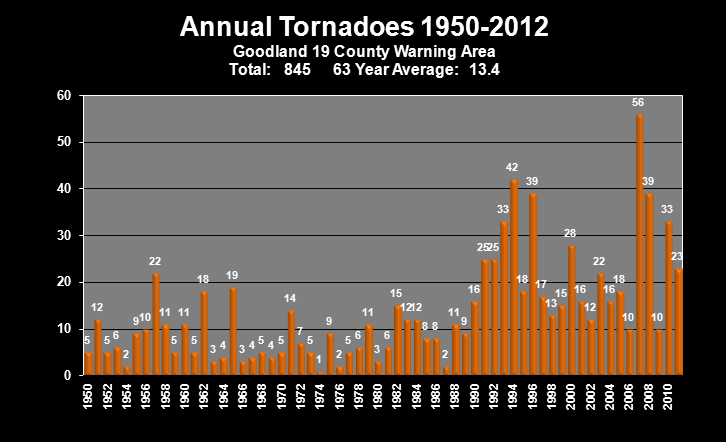
Tornadoes ripped through Arkansas, Oklahoma, and Iowa in the past month month, leaving 16 people dead and homes, businesses, and schools completely leveled. The event was classified as an EF-3 on the Enhanced Fujita Scale, which uses an assessment of the damages caused to classify the wind speed of a tornado. This storm comes only three years after one of the deadliest tornado events ever recorded killed 348 people in the South and Midwest, a region known as Tornado Alley.  Historically, the US is seeing an upward trend in annual tornadoes.


Annual Tornadoes 1950-2012_Goodland region

Enhanced Fujita Scale

(www.crh.noaa.gov)

Continue reading

Middle East Respiratory Syndrome (MERS): Global Travel Raises Concerns for Spread of Disease from the Arabian Peninsula

Middle East Respiratory Syndrome-Coronavirus (MERS-CoV), a novel Coronavirus in the same family as the Coronavirus that caused Severe Acute Respiratory Syndrome (SARS), has caused 339 illnesses and 102 deaths in Saudi Arabia .  However, the WHO has only reported 262 laboratory-confirmed cases.  Six Middle Eastern countries have reported MERS (Saudi Arabia, Qatar, United Arab Emirates, Jordan, Oman, Kuwait) and 5 other countries have reported traveler-associated MERS cases (United Kingdom, France, Tunisia, Italy, Malaysia).  On May 2nd, the United States became the 6th county to report a traveler-associated MERS case.  According to the CDC, an American healthcare worker flew back to the US from Saudi Arabia on April 24th, connecting in London and Chicago before taking a bus to Indiana.  He is currently hospitalized and in stable condition.  US Public Health officials are tracing the US MERS patient’s travel itinerary and attempting to contact other travelers who may have been in close contact with the affected individual.  Currently, the US government has not issued any warnings to travelers to avoid the affected countries or to change travel plans.

Continue reading

South Korea Maritime Disaster: Old World Problem in the 21st Century

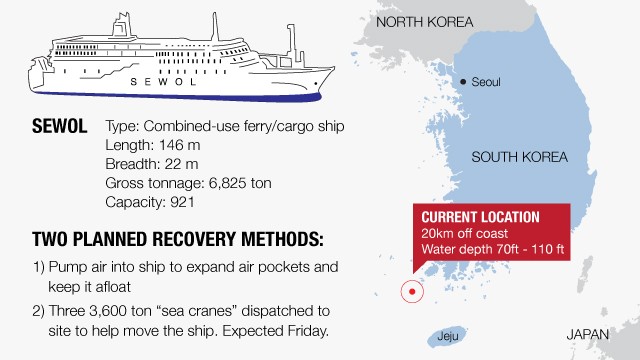
On April 16, 2014, the Sewol Ferry began to sink approximately 9 a.m. local time when traveling around Jindo Island on its journey from Incheon to the island of Jeju. The ferry had 476 passengers, including many high school students on a field trip. Only 174 passengers have been rescued and 171 have been confirmed dead. The remaining passengers are feared dead. 

Maritime disasters occur with less frequency than other forms of travel such as automobiles and trains, but more frequently than aeronautical disasters.  However, many ships involved in public health emergencies involve civilian passengers who have little or no preparation for a submersion event. In addition, since maritime disasters are occurring more infrequently, the personnel on ships have little familiarity with disaster protocols or plans.  Reports from staff on the Sewol highlight the lack of knowledge about basic evacuation protocols and priorities to direct most vulnerable populations, such as children and elderly, to lifeboats.  The largest procedural and ethical, and possibly legal, breach was the captain’s departure from the ship while passengers were still on board.

Critical findings:

  • Commercial ships with large civilian populations need more stringent legal regulations and oversight regarding regular evacuation drills.
  • Common forms of communications, such as cell phones and wi-fi enabled devices, will not be available during a maritime disaster, and communications will be a severe challenge.
  • Often a multilateral government response will be required since ships will be traveling paths that near various international territories.

140417121400-south-korea-ferry-map-story-top

(cnn.com)